Buying a mattress is one of the more consequential home purchases you’ll make — you’ll spend roughly a third of your life on it, and the quality of your sleep affects nearly every aspect of your health and daily functioning. Yet most people spend more time researching a new phone than a new mattress. This guide covers everything you need to know before you start shopping.
Start with Your Sleep Profile
The single most important factor in mattress selection is alignment with your specific sleep needs. Before evaluating any mattress, clarify:
Primary sleep position. Side, back, stomach, or combination? This determines the firmness range and support characteristics you need more than any other factor. Side sleepers need pressure relief at shoulder and hip; back sleepers need lumbar support; stomach sleepers need firmness that prevents hip sinkage; combination sleepers need responsiveness for easy position changes.
Body weight. Your weight affects how mattresses feel and perform for you. Lighter sleepers (under 130 lbs) feel mattresses as firmer than average-weight sleepers on the same product. Heavier sleepers (over 230 lbs) sink more deeply and need firmer, more durable construction to maintain proper spinal alignment.
Temperature sensitivity. Do you sleep warm, cool, or neutral? Memory foam retains heat; hybrid construction and specialized materials like Purple’s grid regulate temperature better. If you regularly wake up too warm, temperature regulation is a priority feature.
Sleep partner considerations. Sharing a bed introduces motion isolation, edge support, and potentially split firmness requirements. A mattress that works perfectly for solo sleeping may not serve a couple’s needs as well.
Mattress Types: What’s Actually Different
Memory foam provides contouring, pressure relief, and motion isolation. Its slow response makes it excellent for sleepers who stay primarily in one position. Drawbacks: heat retention (in standard versions), difficulty changing positions, and a “stuck” feeling that some sleepers dislike.
Hybrid (foam + coils) combines the pressure relief of foam with the support, bounce, and airflow of pocketed coils. The most versatile construction type — addresses most sleep needs adequately. Higher cost than foam-only at comparable quality levels, but the cost premium is usually justified.
Latex (natural or synthetic) provides responsive, buoyant feel with good temperature regulation and durability. Natural latex is the most eco-friendly option and very durable. Higher cost than foam; heavier and harder to move.
Traditional innerspring — coil-based with minimal foam comfort layers. Good airflow, bounce, and edge support but limited pressure relief. Being replaced by hybrids in most market segments, but remains available at competitive pricing.
Firmness: The Number That Matters Most
Mattress firmness is typically rated 1–10, with 1 being softest and 10 firmest. Most mattresses fall in the 3–8 range. General guidelines:
- 1–3 (Soft): Side sleepers under 130 lbs, comfort-focused shoppers who don’t have back issues
- 4–5 (Medium-Soft to Medium): Most side sleepers, lighter combination sleepers
- 5–6 (Medium to Medium-Firm): Combination sleepers, average-weight back sleepers
- 6–7 (Medium-Firm to Firm): Back sleepers, heavier side sleepers, stomach sleepers
- 7–8 (Firm): Stomach sleepers, very heavy sleepers, those who prefer minimal contouring
What to Know About Warranties and Trials
Standard industry warranty coverage is 10 years for most quality brands, with some offering lifetime warranties (Nectar, WinkBed). Sleep trials of 100 nights are standard in the DTC segment. Both these protections are important to verify for any mattress purchase, and particularly for clearance items where terms may differ from standard retail.
Setting Your Budget
Realistic quality thresholds by price range: Under $400 (queen) — functional but limited durability and features. $400–$800 — mid-range quality with meaningful features and brand reliability. $800–$1,500 — premium quality, advanced features, strong durability. $1,500+ — luxury construction, premium materials, typically 12+ year expected lifespan.
Clearance and holiday sale pricing regularly moves mattresses from higher tiers into lower price points — a key reason why timing your purchase around sale events is worth the patience.
The Decision Framework
Identify your sleep position and weight profile → determine appropriate firmness range → decide between foam, hybrid, or latex based on temperature and responsiveness preferences → set a budget → identify 2–3 brands that meet these criteria → time purchase for next major sale or clearance event → verify trial and warranty terms before finalizing.
This systematic approach eliminates the confusion that most mattress shoppers experience and consistently leads to better purchases at better prices.
Ready to find your perfect clearance mattress? We’ve done the research — here are the best places to shop right now with verified savings:
🛏️ Best Clearance Deals on Amazon
Amazon carries the largest selection of clearance and discounted mattresses with fast Prime delivery and easy returns. Use these links to browse current clearance pricing:
🌙 Layla Sleep — Premium Clearance-Level Value
Layla’s copper-infused, flippable design gives you two firmness options in one mattress. Comes with a 120-night trial and lifetime warranty — outstanding coverage even at sale pricing.
Shop Layla Sleep — See Current Deals →
Disclosure: This page contains affiliate links. We may earn a commission if you purchase through our links at no extra cost to you. This supports our research and keeps our content free.
The mattress buying process becomes significantly more favorable when you understand how clearance and sale cycles work. Mattress retail runs on a predictable promotional calendar, and buyers who align their purchases with this calendar routinely save 30% to 50% on the same mattresses that sell at full price to less-informed shoppers.
⚡ OUR TOP PICK
Zinus Green Tea 12″ Memory Foam — Most-reviewed budget mattress on Amazon
Price: ~$200 queen | Amazon return policy | 10-year warranty
The five strongest mattress sale windows each year are Presidents’ Day (February), Memorial Day (May), Fourth of July (July), Labor Day (September), and Black Friday/Cyber Monday (November). These events aren’t just modest promotional discounts — they’re when brands and retailers move the most significant inventory and offer their deepest price reductions. Planning a purchase around these windows is one of the highest-value strategies in mattress buying.
Beyond seasonal sales, clearance sections at major retailers turn over continuously as floor models are retired and new inventory is cycled in. Checking clearance availability at local mattress stores and online platforms every few weeks can surface deals on specific models you’ve already researched and want. The effort is low, and the payoff — being ready when the right deal appears — can be substantial.
How to Research a Mattress Before You Buy
Mattress research is more accessible now than at any point in history, but the abundance of information also creates confusion. Reviews, comparison sites, and brand marketing all present the same product differently, and learning to read this landscape critically is part of becoming an effective mattress buyer.
Start with sleep position and body weight as your primary filters. These two factors have the most predictive power for whether a given mattress will work for you. A firmness recommendation that’s right for a 130-pound side sleeper is wrong for a 230-pound side sleeper. Filter review sites and comparison tools by your body weight range and primary sleep position before reading any specific recommendations.
Read reviews from verified purchasers across multiple platforms rather than relying on any single source. Look for reviews from people with similar sleep profiles to yours — weight, position, and any specific needs like hot sleeping, back pain, or partner motion concerns. A product with thousands of reviews will show you patterns that individual reviews miss. Focus on the distribution of reviews: many 5-star and many 1-star reviews with few in the middle suggests a polarizing product rather than a universally good one.
In-Store Testing: What to Do and How Long to Take
In-store mattress testing is underutilized by most buyers. The showroom environment creates social pressure to make a decision quickly, but a 5-minute lie-down is genuinely insufficient to evaluate a mattress. Plan to spend 15 to 20 minutes on each serious contender, and don’t let impatient salespeople rush you.
Test mattresses in your actual sleep position, not just lying flat on your back as a default. Side sleepers should lie on their side for the full test period and pay attention to pressure at the shoulder and hip. Back sleepers should feel whether the lumbar region is supported or sagging. Stomach sleepers should check hip sinkage. Combination sleepers should shift between positions and notice how easy the transitions are.
Temperature is harder to assess in a brief showroom visit, but there are some indicators. Memory foam mattresses that feel noticeably warm within a few minutes may be challenging for hot sleepers. Gel-infused foam, open-cell constructions, and hybrid coil systems generally sleep cooler. Asking the salesperson specifically about temperature regulation for the models you’re testing will surface useful information and reveal whether they know their products well.
Negotiating the Best Price
Mattress retail pricing is more negotiable than most consumer product categories. The gap between manufacturer cost and retail price on mattresses is substantial, giving retailers significant flexibility to discount. This flexibility is most accessible at independent mattress stores and at clearance-focused retailers, but even major chains have more room to move than they initially present.
Effective negotiation tactics include: arriving with a competitor’s price on a comparable mattress, asking about unadvertised discounts or upcoming sale events, requesting that accessories (mattress protector, pillows, frame) be included at no charge, and simply asking directly what the best price they can offer is. The worst that happens is they say no. The best case is a meaningful reduction you wouldn’t have received without asking.
When comparing prices across stores, ensure you’re comparing the same model and firmness. Brands sometimes sell exclusive models to specific retailers that can’t be directly price-compared. When this happens, focus on specifications — foam density, coil count, cover materials — to assess whether a seemingly similar mattress at a lower price is actually comparable quality.
Sleep Trials and Returns: Using Them Correctly
A 100-night sleep trial is a meaningful consumer protection, but it’s often misused. Most buyers who return mattresses do so too quickly — within the first two to three weeks — based on discomfort that’s actually adjustment-related rather than a genuine mismatch. Bodies adapt to new sleep surfaces, and initial discomfort that resolves within a month shouldn’t trigger a return.
The most reliable signal that a return is warranted is persistent pain or discomfort that doesn’t improve after four to six weeks. If you wake with more back, neck, or hip pain than you had before the mattress, and this pattern persists through the adjustment period, the mattress isn’t working for you. Use the trial window decisively in this scenario — don’t wait until the deadline is imminent.
Keep your purchase documentation, the original order confirmation, and any warranty information organized throughout the trial period. Brands sometimes require this documentation for return processing or warranty claims. Losing it doesn’t necessarily void your rights, but it creates friction in the return process at exactly the moment you don’t want friction.
Long-Term Mattress Care and When to Replace
A quality mattress, well-maintained, should provide seven to ten years of good sleep support. Extending that lifespan requires a few consistent habits: using a mattress protector to prevent liquid damage and allergen buildup, rotating the mattress every three to six months to distribute wear, and using an appropriate support base throughout the mattress’s life.
The clearest signs that a mattress needs replacement are visible sagging or body impressions of one inch or more, persistent waking with pain or stiffness that wasn’t present when the mattress was new, noticeable increase in allergen sensitivity or skin irritation, and audible spring noise in hybrids or innersprings. Any of these signals, sustained over several weeks, indicate the mattress has reached the end of its effective service life.
When replacement time comes, revisit this buying guide with fresh eyes and updated needs. Sleep requirements, body weight, and health conditions change over time. The mattress that was ideal at 35 may not be the right choice at 45. Treating each mattress purchase as a fresh evaluation — rather than defaulting to the same type you’ve always bought — ensures you make the choice that’s right for where you are now, not where you were a decade ago.
Shop the Best Clearance Mattress Deals
Affiliate disclosure: This page contains affiliate links. We may earn a commission if you purchase through our links at no extra cost to you.
Related Guides
Top Clearance Deals
Amazon Basics Cooling Gel-Infused Memory Foam Mattress Topper for Better Sleep Support, CertiPUR-US Certified, 3 inches, Queen, Blue
- PREMIUM COMFORT ENHANCEMENT: Advanced memory foam technology provides responsive support and exceptional pressure point relief, instantly upgrading any new or existing mattress for a luxurious sleep experience.
- COOLING GEL TECHNOLOGY: Specially formulated temperature-regulating gel infused throughout the memory foam helps regulate body temperature and dissipate heat, ensuring a cool, comfortable night’s sleep.
- PREMIUM CERTIFIED QUALITY: Proudly made in the USA with imported materials, featuring CertiPUR-US certified foam that meets rigorous standards for content, emissions, and durability.
New starting from: 71.53 $
Go to Amazon
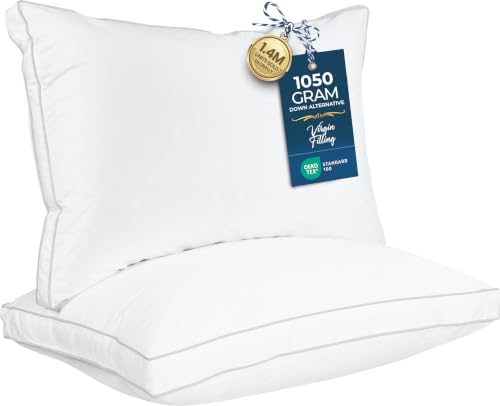
Utopia Bedding Down Alternative Bed Pillows for Sleeping Queen Size (White), Set of 2, Soft & Fluffy Pillow with Cooling, Hotel Quality, Gusseted Pillow for Back, Stomach or Side Sleepers
- Hotel-like Comfort – Bring the luxurious, soft, and plush hotel sleep experience into your everyday life. These queen pillows set of 2 instantly upgrade your bedroom, guest room, or dorm into a cozy retreat that feels like a 5-star stay.
- Perfect for Every Lifestyle & Space – Whether you’re setting up your first apartment, refreshing your home, or looking for thoughtful bedroom essentials, these bed pillows are a perfect fit. Ideal for housewarming gifts, dorm rooms, guest bedrooms, or everyday home comfort.
- Gusseted Design for Lasting Loft- Featuring gusseted edges with stylish piping, these pillows maintain their loft and shape over time. The structured design enhances durability while adding a refined, hotel-inspired look to your bedding.
List Price : 28.89 $
Offer: 23.39 $
Go to Amazon